


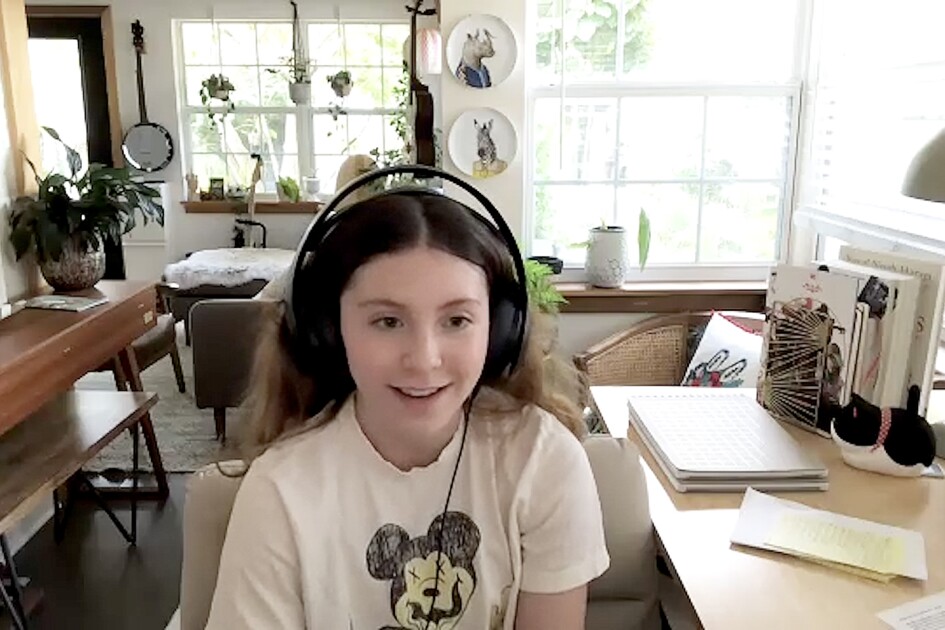
[ad_1] For Tessa Marshall, those things that often come easy to kids—numbers, colors, shapes, tying their shoes—were always a challenge. In 3rd grade, she was diagnosed with dyscalculia and transferred to a Montessori school where the opportunity to learn individually with a teacher, and in a group of students in 1st through 3rd grades, helped […]
[ad_1]
For Tessa Marshall, those things that often come easy to kids—numbers, colors, shapes, tying their shoes—were always a challenge.
In 3rd grade, she was diagnosed with dyscalculia and transferred to a Montessori school where the opportunity to learn individually with a teacher, and in a group of students in 1st through 3rd grades, helped her catch up. Now a freshman in high school, she continues to receive math tutoring twice a week for her honors geometry class.
Here, she discusses what she wishes teachers knew not only about dyscalculia, but also about teaching students with the learning disability.
[ad_2]
Source link

